

Live With Yoga is a Therapeutic Yoga center in Jaipur, India since the year 2005. The yoga center provides various Yoga Classes to treat severe diseases like slip disc, sciatica, cervical spondylosis, ankylosing spondylitis, depression, diabetes, obesity and many more diseases.
We help you to maintain your good health with regular yoga practice. This way we correct your body posture and let you feel relaxed. Live with Yoga is a registered Yoga School. We focus on Therapeutic Yoga practice to cure the body. Therapeutic Yoga includes the use of props so that students can learn the asanas without any injury. Join Us to practice a new way of living with Therapeutic Yoga Classes in Jaipur.


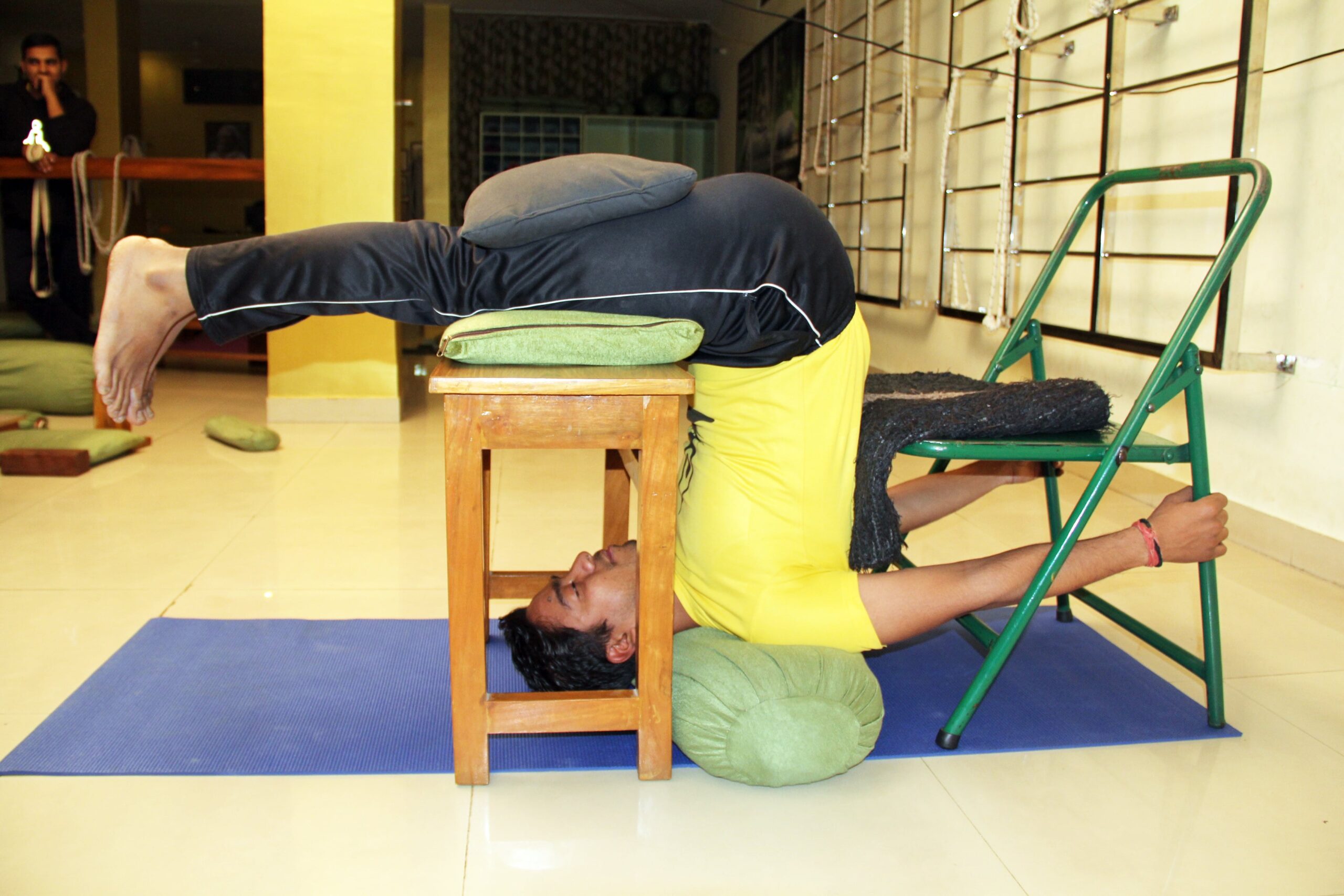
We treat severe diseases with the help of therapeutic yoga. Yoga helps in fastening mental healing and physical healing that too without any horrifying surgeries. Therapeutic yoga enhances mental and physical focus. As a result, yoga can be used to cure a variety of physical ailments. Numerous ailments are treated in our Yoga Classes in Jaipur. Such as anxiety, diabetes, back pain, and many others.
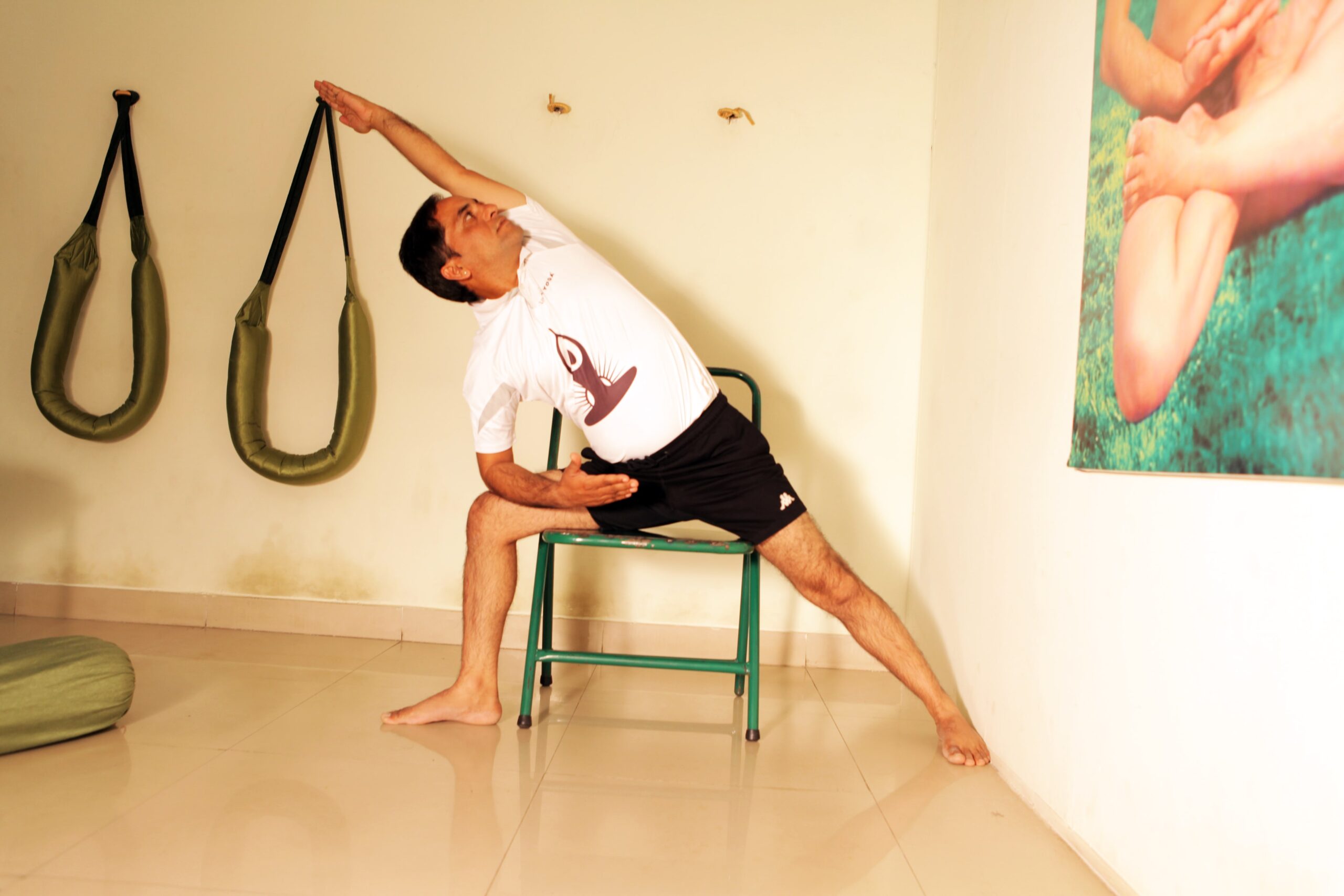
We also offer online yoga consultation by our international Yogacharya Rajveer Singh. You are welcome to consult with our professionals about any diseases or physical complaints. Additionally, our professionals give you the ideal resolution to your issues. Click the book now button below to book your consultation with our expert.
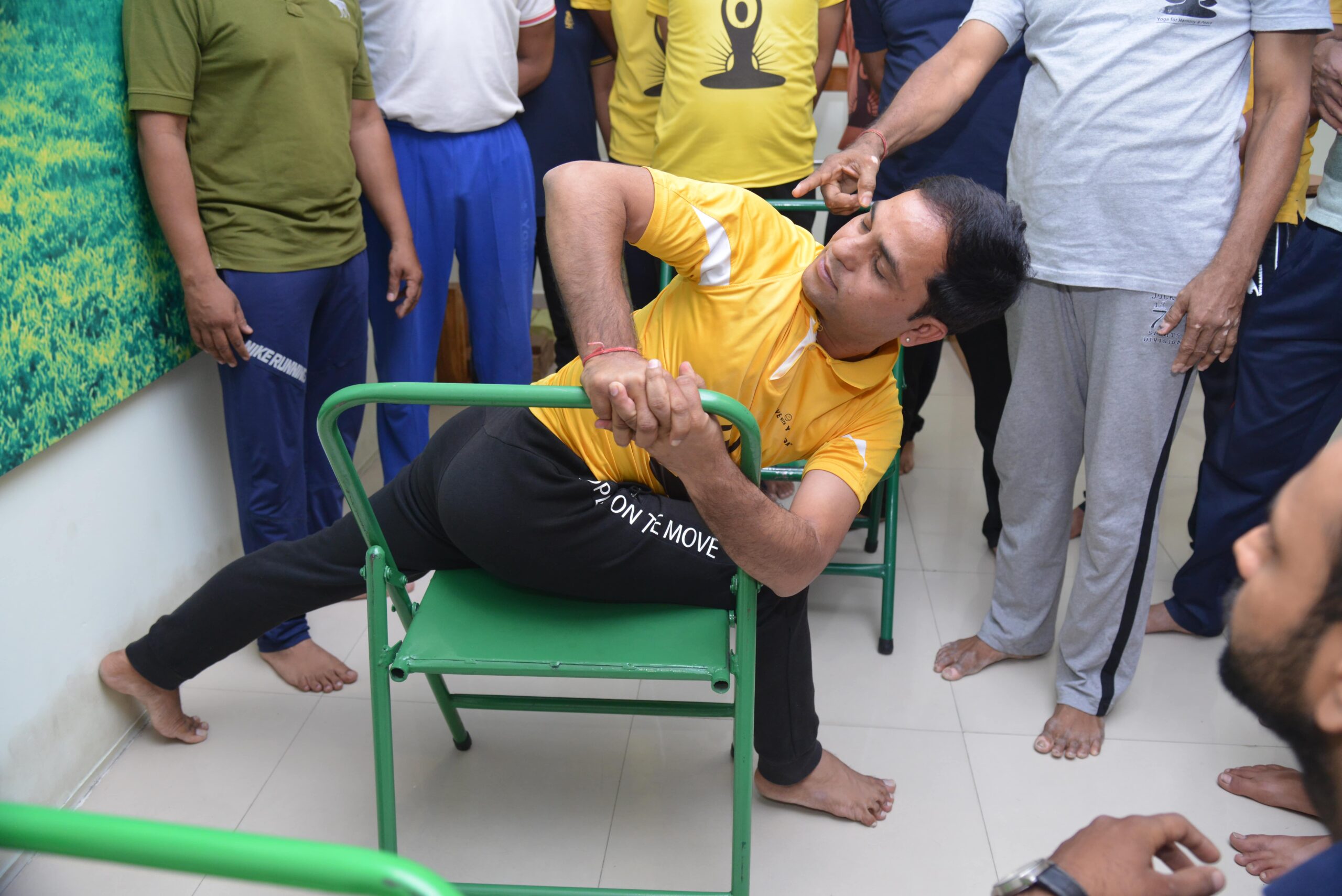
Live with yoga is a renowned and trusted yoga centre. We have our students from all over India joining us for our offline yoga classes. Our main focus is on body posture and alignment for which we also use props. Join our Live with yoga family by clicking below on the contact us button.
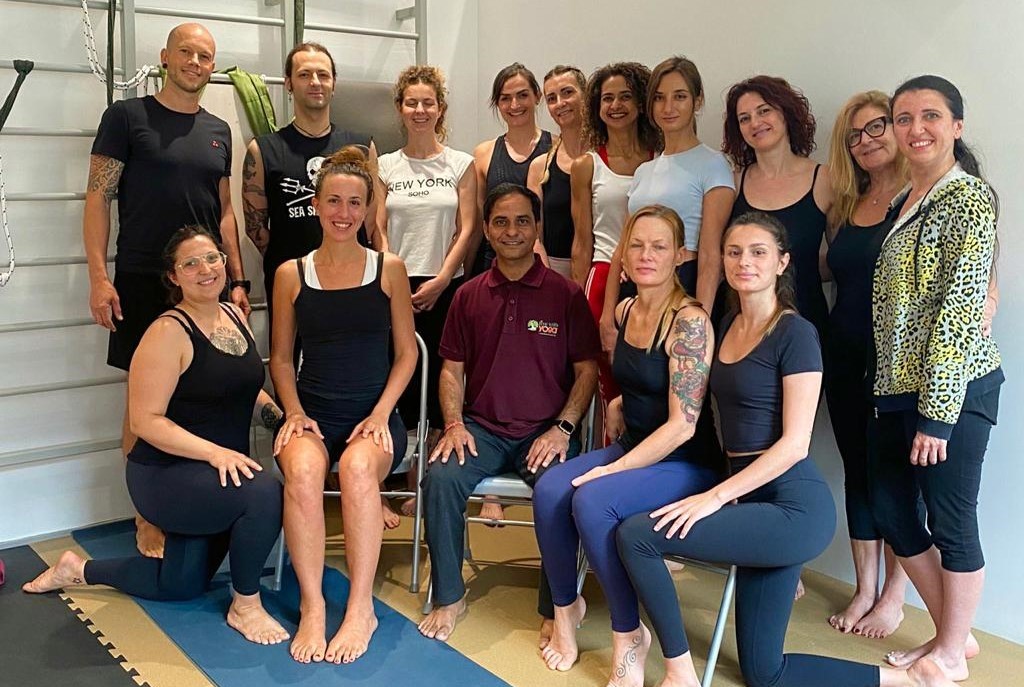
Interested in learning more about yoga? Then for you, we have three therapeutic yoga teacher training courses which are 200 hours of offline therapeutic yoga teacher training course, 200 hours of online therapeutic yoga teacher training course and 100 hours of online therapeutic yoga teacher training course. Join us now and learn from the best yoga trainers.
To get the full benefit of Yoga, an effective approach with proper guidance is required. For clearer understanding and posture balance, our Yoga Center in Jaipur uses props. Our Approach includes
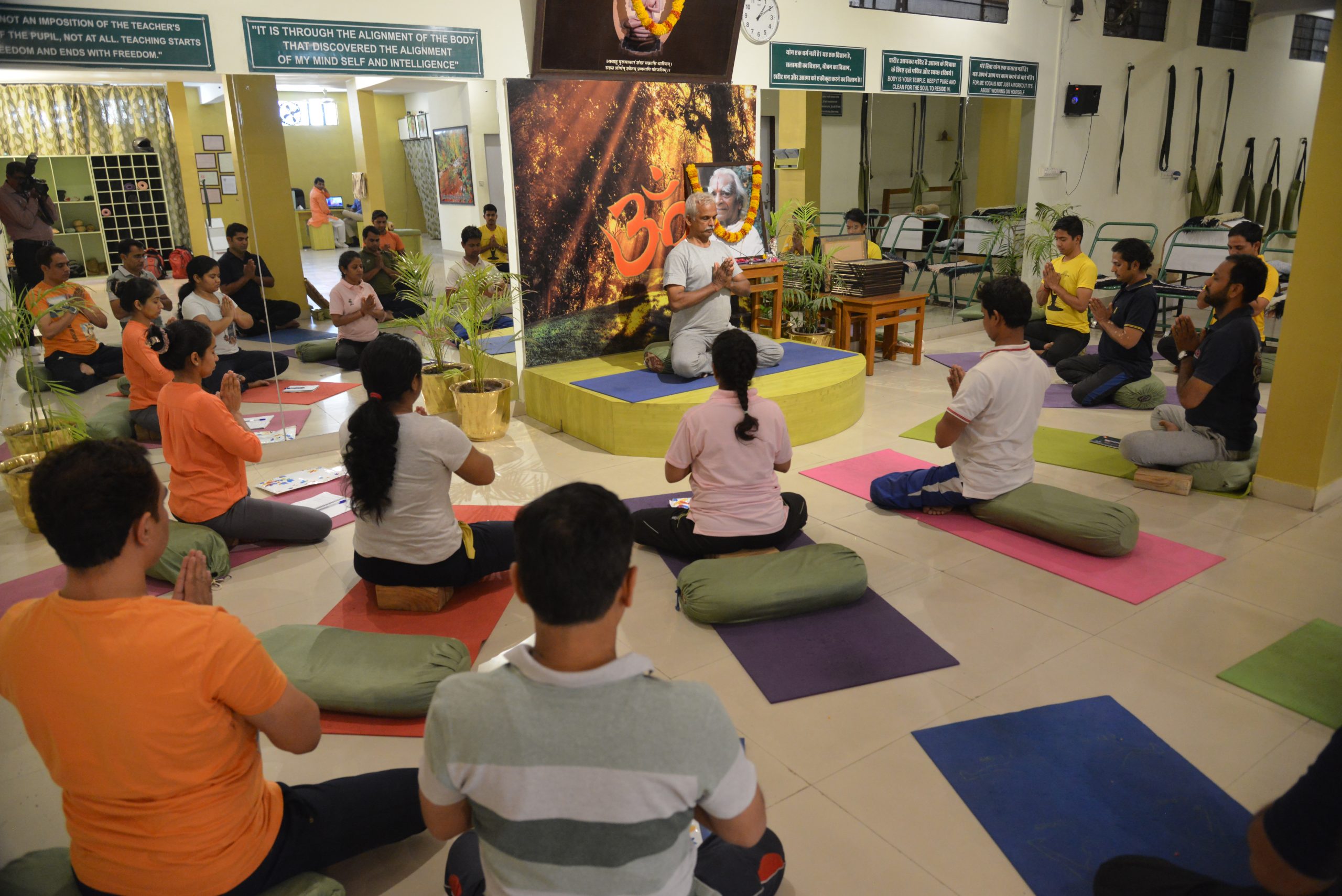
“LIVE WITH YOGA” is the ideal and leading source for Therapeutic Yoga in Jaipur, India
We’re a dedicated team to give you the very best of yoga benefits with yoga classes in Jaipur focusing on reliability, customer service and uniqueness of our yoga methods i.e Therapeutic Yoga.
Our main aim is to make everybody healthy and educate today’s generation about the life-changing or we could say life-enhancing benefits of yoga and spread the word all over the globe with our yoga centre.

Usage of Props Makes Yoga Practice Easy for Beginners

Yoga Taught by therapeutic yoga teachers who are master of their craft

Main Goal of our Yoga Classes is to correct yoga postures and its alignment
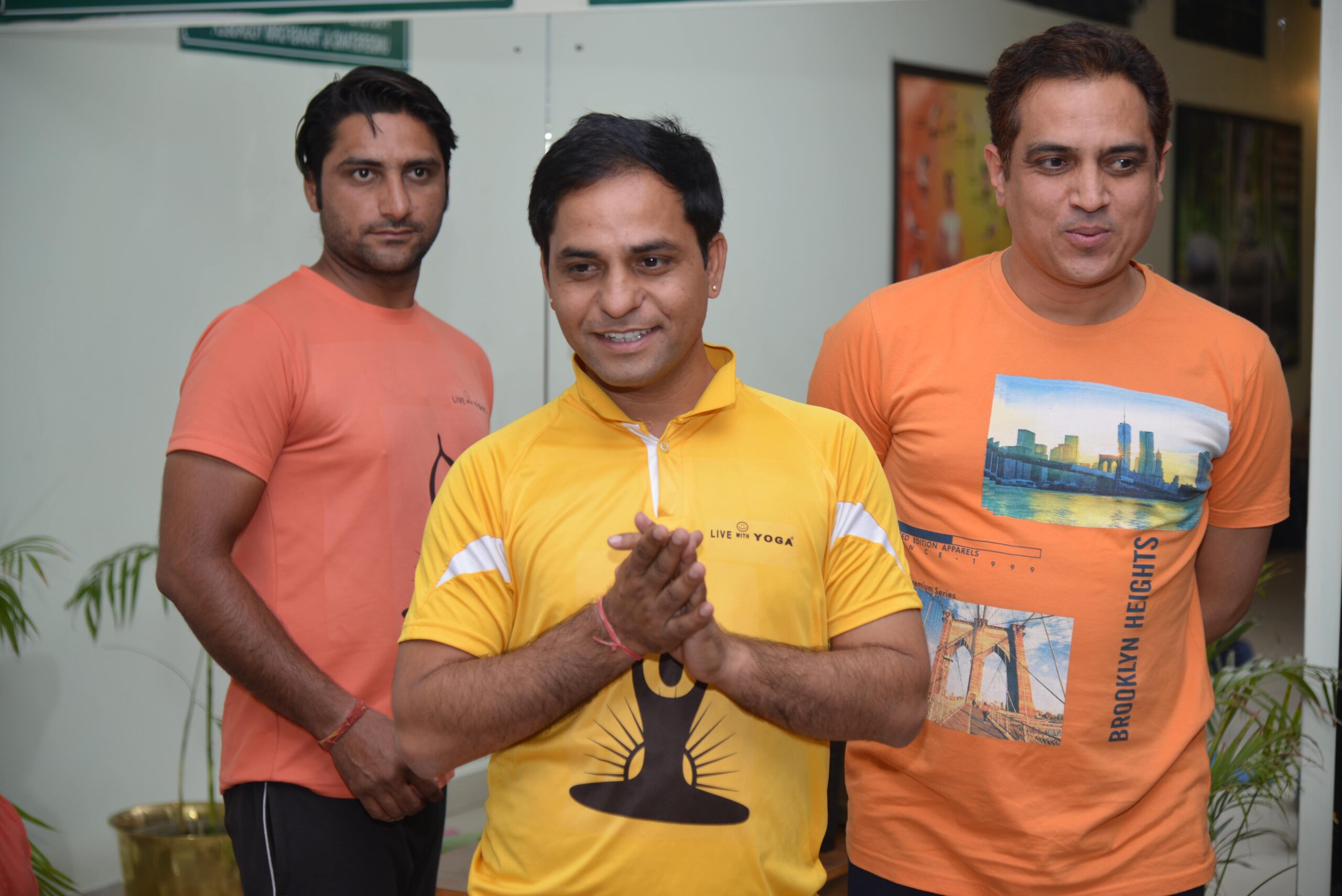
Rajveer Singh Chouhan (International Yogacharya) is a Therapeutic Yoga Expert and founder of Live with Yoga. He has successfully treated and trained more than 4000 people from India, France, Australia, Italy, America, Canada, and a lot of places over the globe to date with his expertise in Therapeutic Yoga.
He is a well-trained expert in Therapeutic Yoga with years of experience under his belt. Mr Rajveer Singh and his team have dedicated themselves to treating & training people in Therapeutic yoga and letting them experience the therapeutic benefits of yoga. He is continuously racing towards his prime aim to spread health and happiness through his yoga center in Jaipur, India.
Live with Yoga is committed to serving all interested students. Our services are widely appreciated. We are continuously improving our services and leading Yoga Center in Jaipur. We provide you with:
Monday to Saturday
Morning : 06.00 AM – 01:00 PM
Evening : 05:00 PM – 08:30 PM
Live With Yoga, Plot No. 141-142, Regal Residency,
Lane Number 5, Rani Sati Nagar, Nirman Nagar E Block,
Ajmer Rd, Jaipur, Rajasthan (India)
